

التاريخ
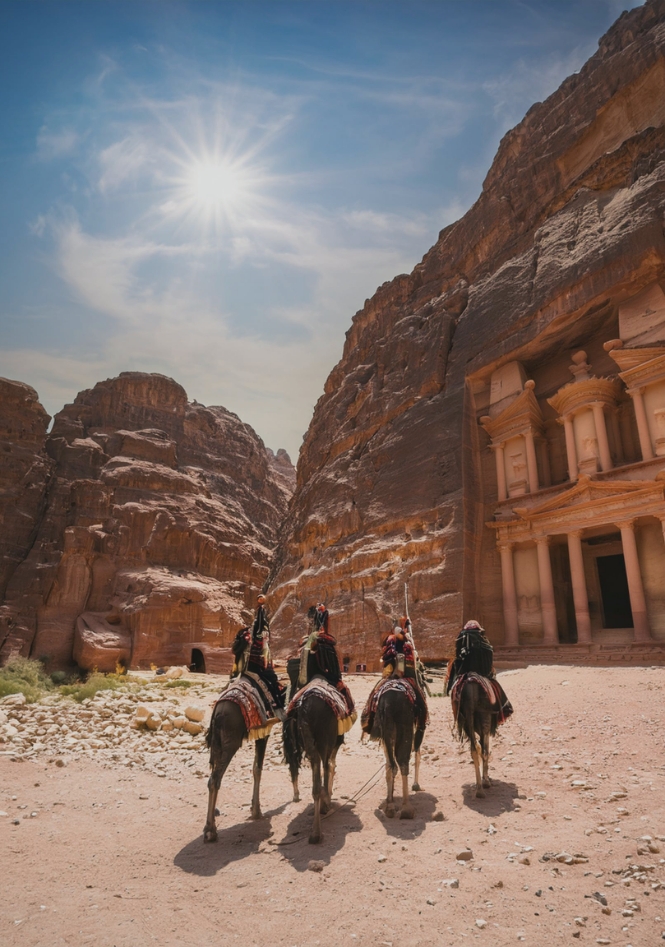
تعتبر مدينة البترا عاصمة الأنباط من أشهر المواقع الأثرية في العالم. تقع على بعد 240 كم جنوب العاصمة عمان، و120 كم شمال مدينة العقبة على البحر الأحمر، وتُعَدُّ البترا بلا شك الكنز الأكثر قيمة في الأردن وأعظم منطقة جذب سياحي، ويزورها السياح من جميع أنحاء العالم. تاريخ بناء البترا غير معروف بدقة ، لكن المدينة بدأت بالازدهار كعاصمة للمملكة النبطية في القرن الأول قبل الميلاد، وحققت ثراءً من خلال التجارة في البخور والمر والتوابل. تم ضم البترا لاحقًا إلى الإمبراطورية الرومانية واستمرت في الازدهار حتى دمر زلزال كبير عام 363 م جزءًا كبيرًا منها. أدى الزلزال، الى جانب التغيرات في طرق التجارة، في النهاية إلى سقوط المدينة، وتم هجرها في النهاية. بحلول منتصف القرن السابع، يبدو أن البترا قد اصبحت مهجورة إلى حد كبير وتوارت عن أنظار الجميع باستثناء البدو المحليين في المنطقة.
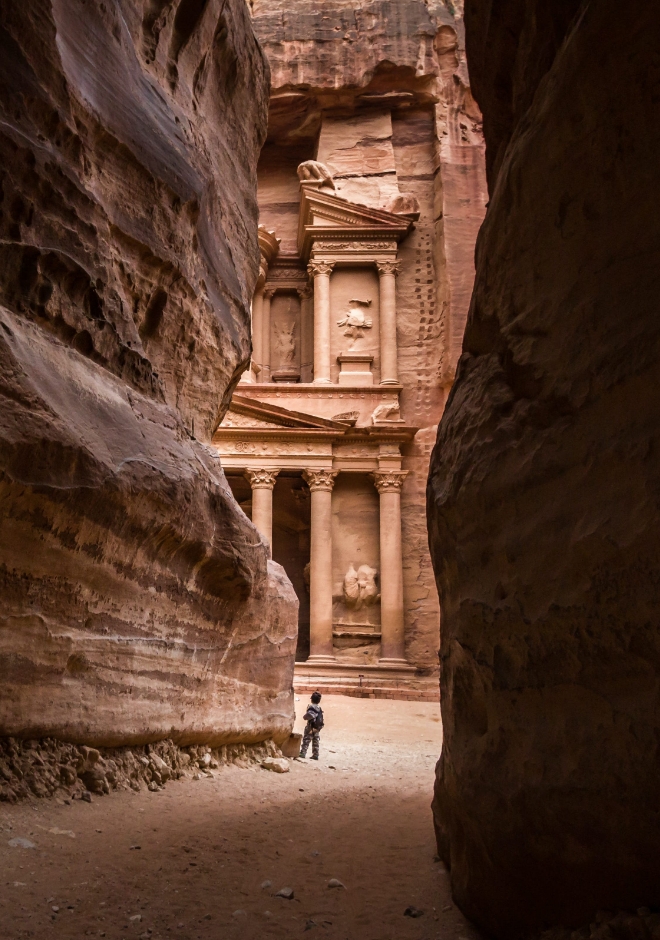
بحلول منتصف القرن السابع، يبدو أن البترا كانت مهجورة إلى حد كبير ثم ضاعت للجميع باستثناء البدو المحليين من المنطقة.
انقر هنا لمعرفة المزيد من خلال الجدول الزمني التاريخي للبترا.
إعادة اكتشاف البترا
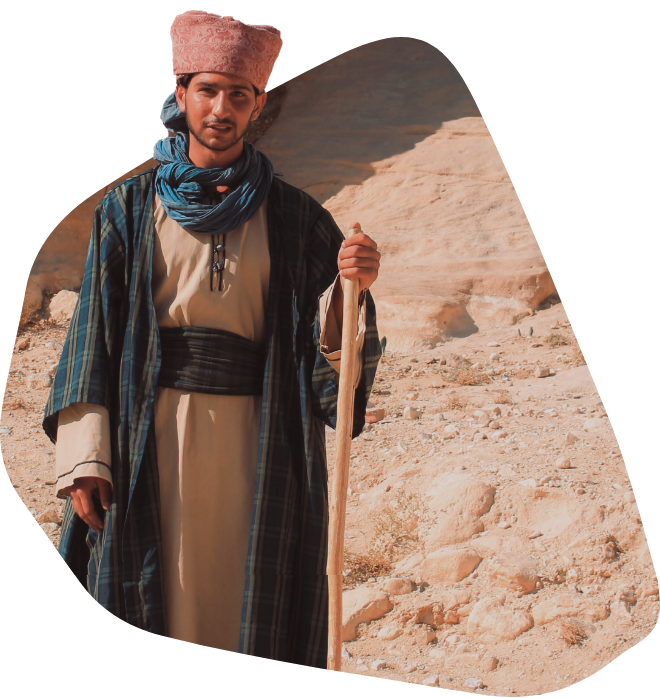
في عام 1812، انطلق المستكشف السويسري يوهانس بركهارت لإعادة اكتشاف البترا؛ فارتدى ملابس عربية وأقنع مرشده البدوي بأخذه إلى المدينة المفقودة. بعد ذلك، أصبحت البترا معروفة بشكل متزايد في الغرب كمدينة قديمة رائعة وجميلة، وبدأت في جذب الزوار وتستمر في ذلك حتى اليوم.
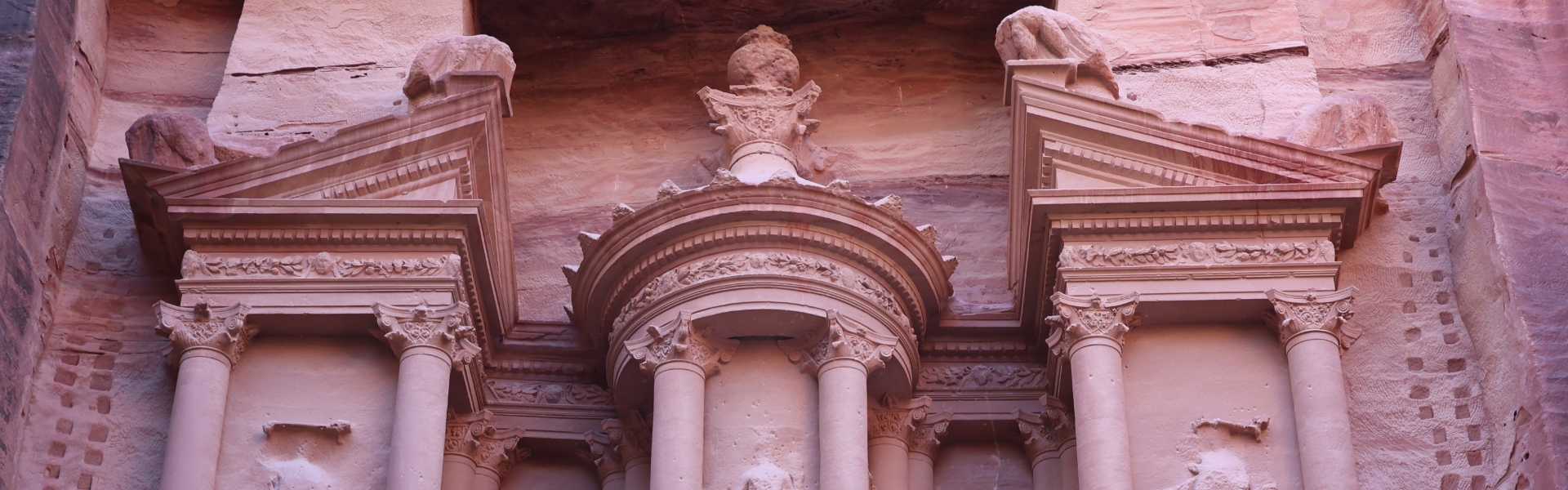
تُعرف البترا أيضًا باسم المدينة الوردية الحمراء، وهو اسم يأتي من اللون الرائع للصخور التي نُحتت منها العديد من هياكل المدينة.
-

20+ FILMS FEATURED SCENES FILMED IN PETRA
-

80% IS YET TO BE DISCOVERED
-

UNIQUE DESTINATION FOR HIKERS
-

1,174,137 VISITORS IN 2023
-

OFFICIAL LANGUAGE: ARABIC, COMMON: ENGLISH
Historical Timeline
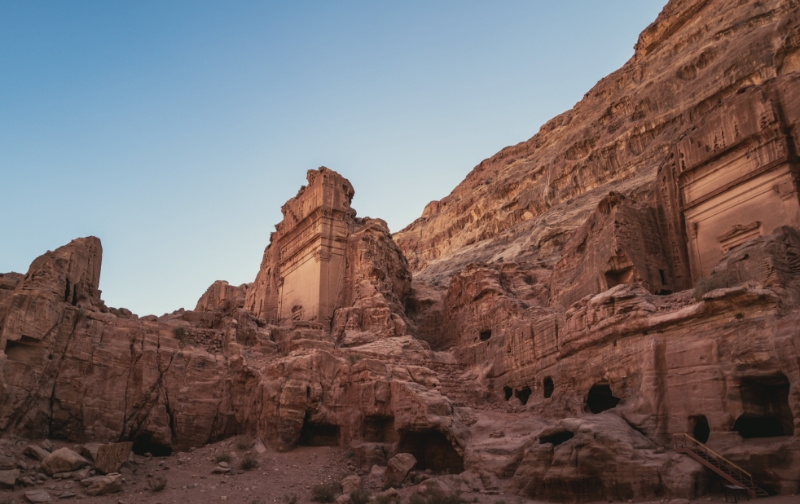
The Early Neolithic Period (8500–5500)
The Petra region has been inhabited since the early Neolithic era (8500–5500 BCE), known as the pre-pottery Neolithic period. Since the 1950s, three Neolithic villages—Bayda, Ba'ja, and Shkarat Mess’aed—have been discovered in the northern part of the Petra area. These sites represent some of the earliest known settled communities globally, shedding light on life during that era and its transition from a hunter-gatherer lifestyle to sedentary agriculture-based societies. The discovery of Neolithic villages in the Petra region offers insights into early settlement structures and the transition from nomadic to permanent human lifestyles.
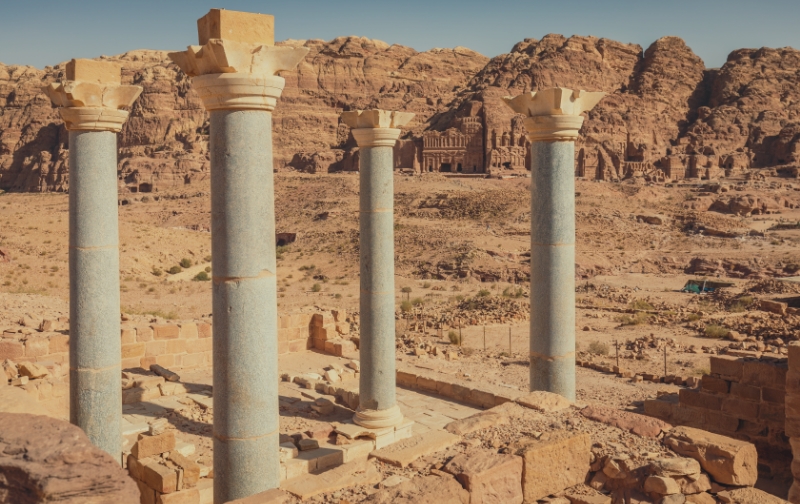
Bronze Age (3300-12000)
Archaeological investigations and excavations conducted over the past three decades have revealed evidence indicating that the Petra region was inhabited during the Bronze Age. A settlement from the Early Bronze Age was uncovered at Um Saysaban, located northeast of Al Dayr, where remnants of rectangular houses and pottery remains were discovered, suggesting the continuous occupation of the area by small communities.
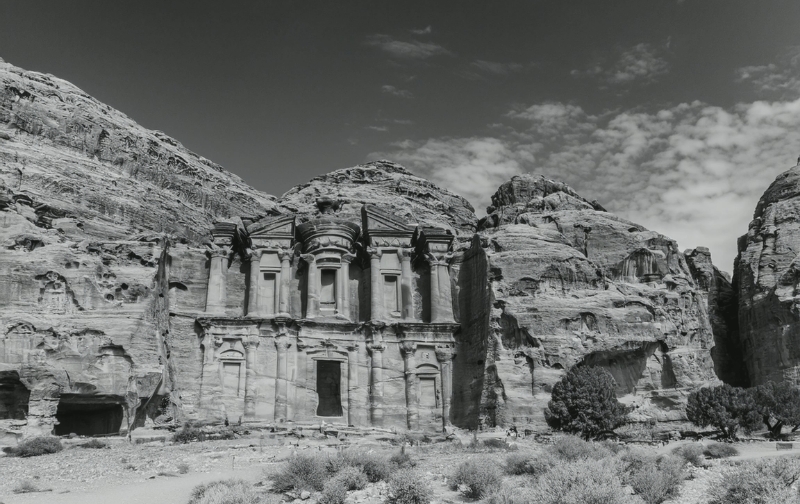
Iron Age (1200-600 BC)
Edom's kingdom, stretching from the Wadi el-Hasa in the north to Aqaba in the south, thrived primarily from the 13th to the 8th centuries B.C.
In the Petra Region, the Edomites established several settlements, making use of its natural water sources. Among these settlements were Um al-Biyara (referred to as the 'mother of cisterns') and Ba'ja. However, following a confrontation with King Amaziah of Judah, the region fell under the control of the Nabataeans.
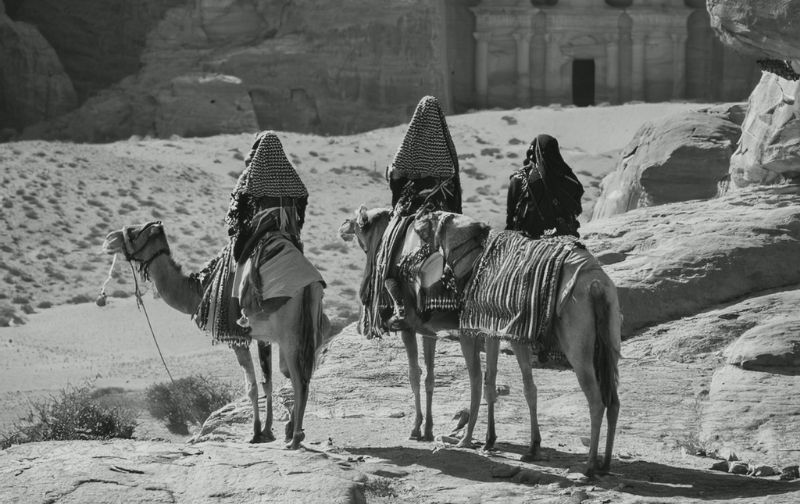
Nabataean Petra (400 BC-106 AD)
Though
the exact date of their arrival is uncertain, the Nabataeans established Petra
as a trade hub in the 4th century BC due to its strategic location. They
mastered desert survival through advanced irrigation and construction
techniques; however, Roman control ultimately led to their decline.
The Roman Petra (106 AD–early 4th century AD)
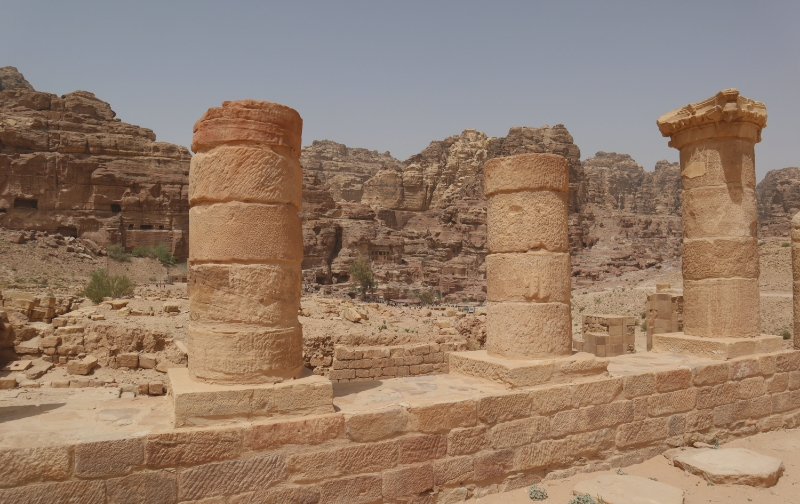
In AD 106, the Roman emperor Trajan incorporated the Nabataean Kingdom and named it the Arabian Provincia, with Bosra as its capital in modern-day Syria. Despite this annexation, Petra retained its significance in the region and maintained its population, earning the title "Metropolis of Arabia" in 114 AD. Later, during Emperor Hadrian's visit in 131 AD, the city was named Hadriane Petra Metropolis. Petra remained a thriving trade center for two more centuries with the construction of the Via Traiana Nova, connecting Bosra in the north to the port of Aila (Aqaba) in the south. Roman urban planning influenced the city's development, resulting in new structures such as the colonnaded Roman road, the Roman Soldier Tomb, and the Sextious Florentinus tomb. The theater, constructed during this period, combined Roman design with Nabataean stone carving techniques.
Petra in the Islamic Period (636 AD–1916 AD)
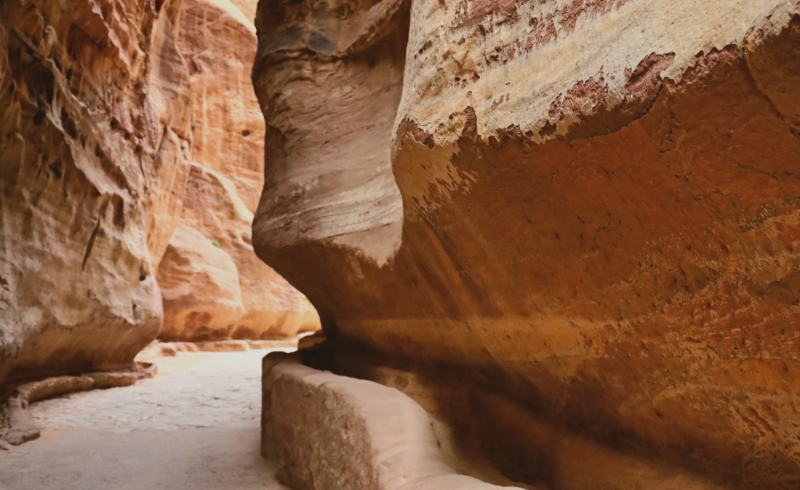
Upon the arrival of Muslim Arabs in 636 A.D., Petra became under Islamic rule. Surveys and archaeological excavations conducted in the Petra region revealed numerous buildings and villages dating back to various Islamic periods, especially the Umayyad, Abbasid, Mamluk, and Ottoman eras. Excavations in Taybeh uncovered a village dating back to the Umayyad period, while in Wadi Musa, several Abbasid-era buildings and olive presses were found. Inside Petra, the Ayyubids rebuilt and restored the Al-Wu'ayra and Al-Habis castles. These castles served as defensive fortifications during the Ayyubid period against the Crusaders, showcasing the strategic importance of Petra in the region. In al-Bayda, a village from the Mamluk period was discovered, including two mosques, and other Islamic villages dating back to the Mamluk and Ottoman periods were found in Khirbet Al-Nawafleh, Khirbet Bani 'Atta, and Khirbat al-Mu`Allaq on the Taybeh road.

Modern History
Rediscovered in 1812 by Johann Ludwig Burckhardt, Petra gained international fame, leading to its designation as a UNESCO World Heritage Site in 1985 and one of the Seven New Wonders of the World in 2007. Accordingly, tourist numbers have steadily increased over the years, with visitors flocking to see the ancient city's stunning architecture and rich history. Petra's popularity has also been boosted by its appearance in several famous films, which has cemented its status as a must-see destination.
إرث الأنباط في البترا
تفوق الأنباط في إنشاء حضارة مزدهرة
في صحراء الأردن. لقد أتقنوا تقنيات المياه والتجارة، تاركين إرثًا من المعالم
المعمارية والثراء الثقافي الذي يعكس روحهم الابتكارية والتكيفية. قام الأنباط
بنحت مقابر فريدة في سفوح الجبال، بالإضافة إلى بناء المعابد والمسرح، وبعد
التأثير الروماني والبيزنطي، أضافوا الشوارع المعمدة والكنائس. تُظهر مدينة البترا
النبطية أكثر من 10,000 سنة من الاستيطان البشري، وتمزج بين العجائب الطبيعية
والثقافية والأثرية في نسيج تاريخي متكامل.
اعرف المزيد عن الأنباط